Parents Graduate from the Inclusive Features Certificate Programme at Kandisi
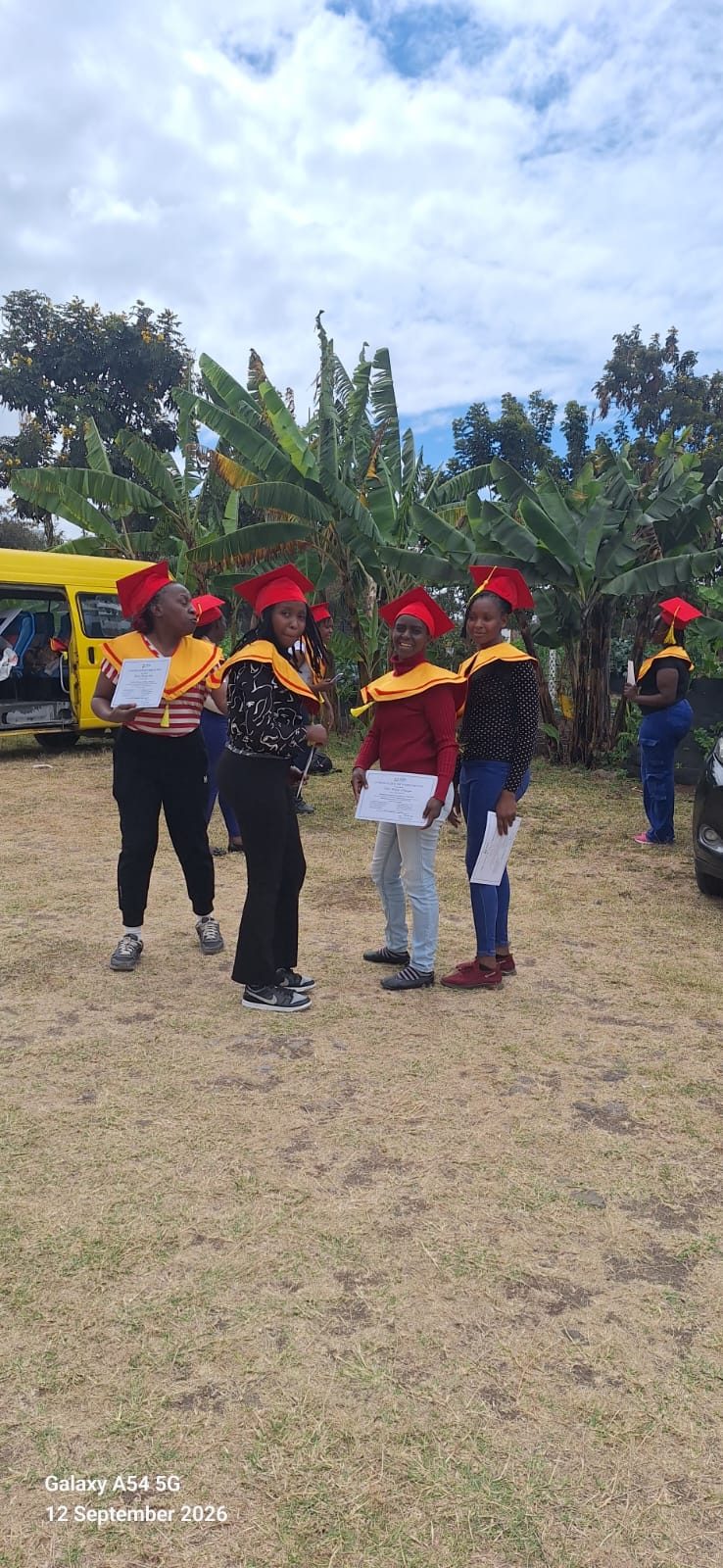
On Saturday, 12 September, stakeholders working with children were equipped with skills on neurodevelopmental disabilities and urged to seek early intervention and support, so that children living with these conditions can reach their full potential and live as independently as possible.
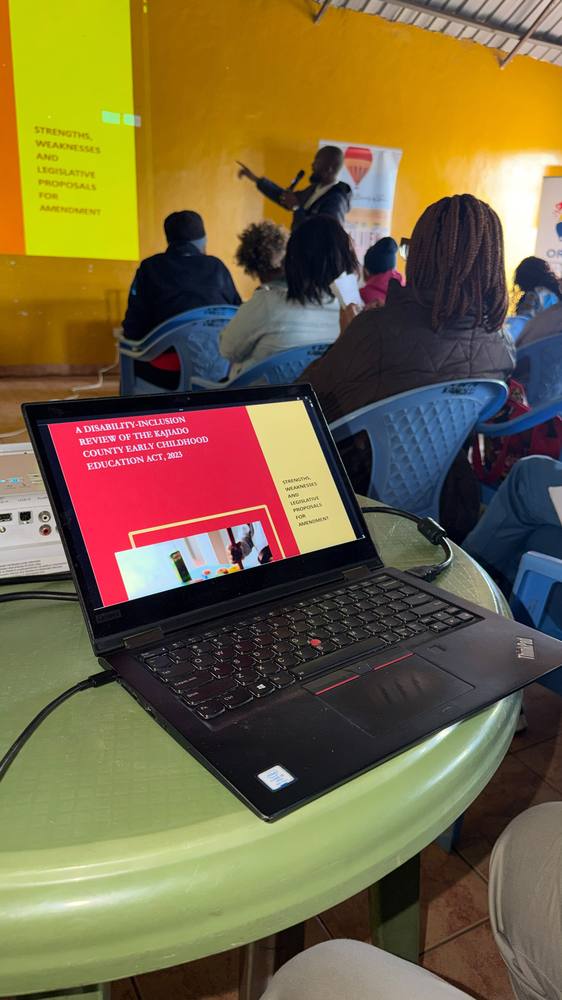
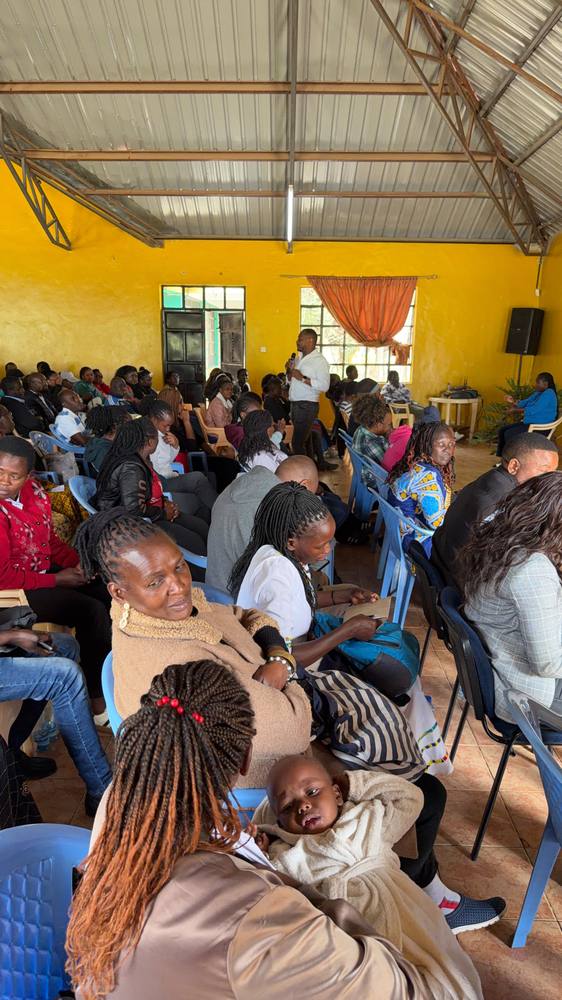
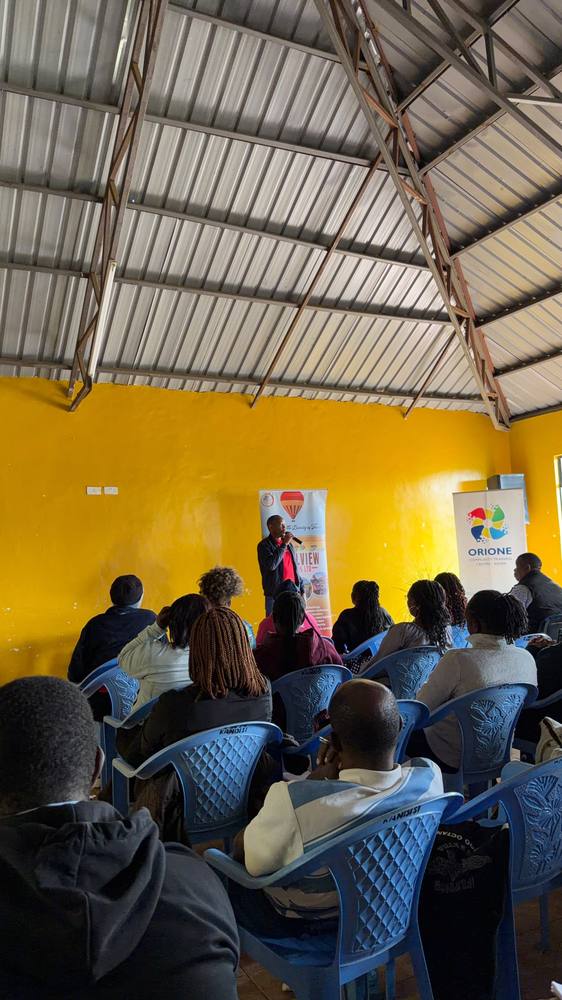
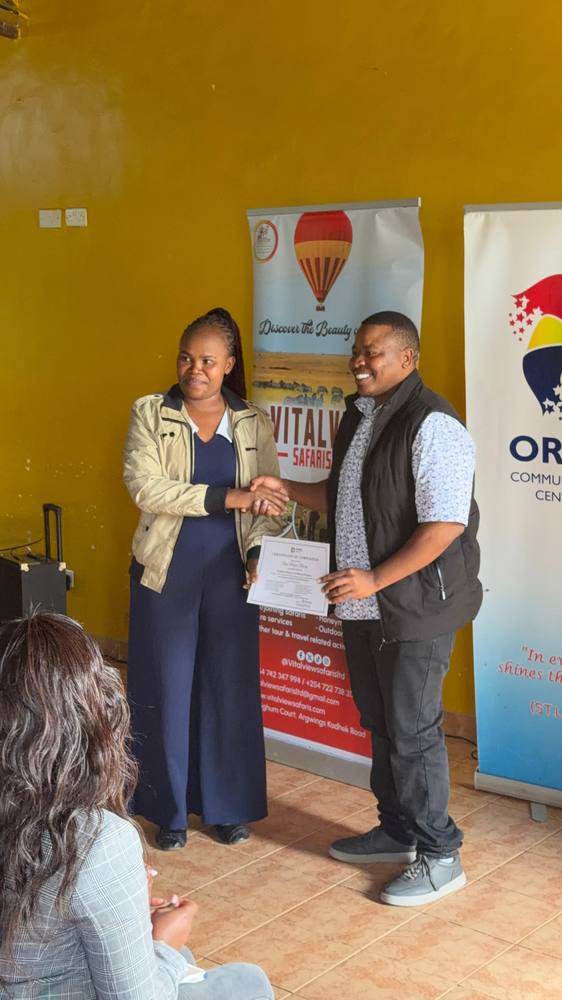
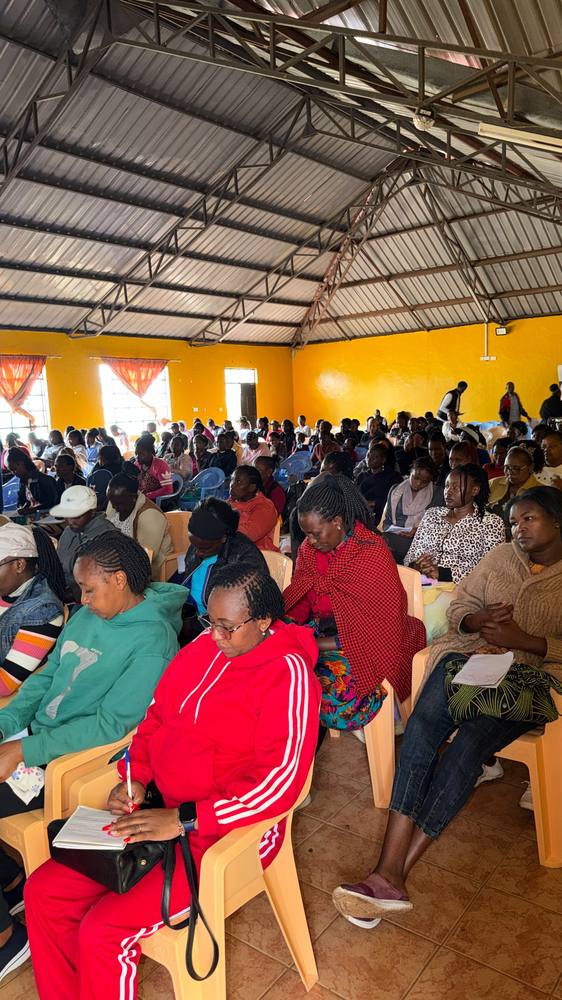
The call was made during the graduation ceremony for parents who completed the Inclusive Features Certificate Programme at the Orione Community Training Centre (OCTC) Kenya, in Kandisi, Ongata Rongai, Kajiado County.
Four months of training, some 300 participants
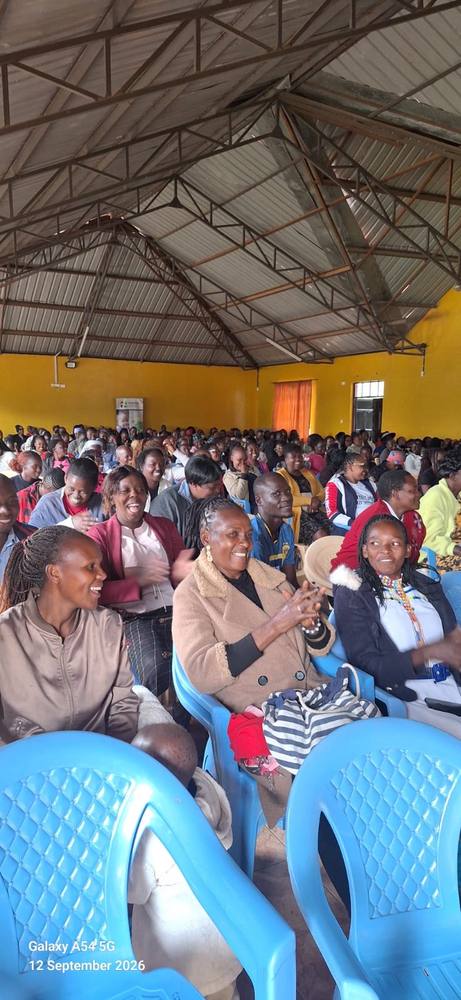
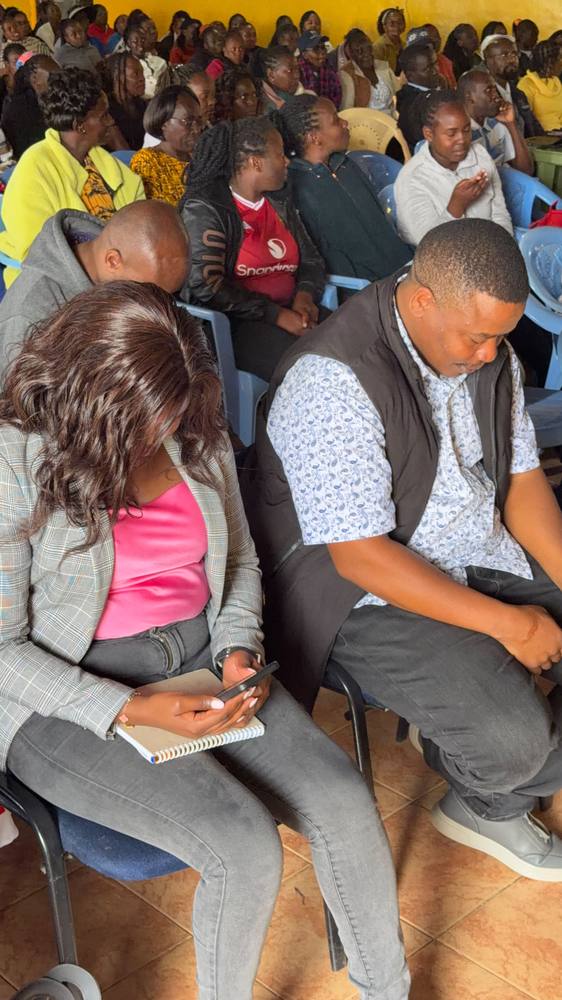
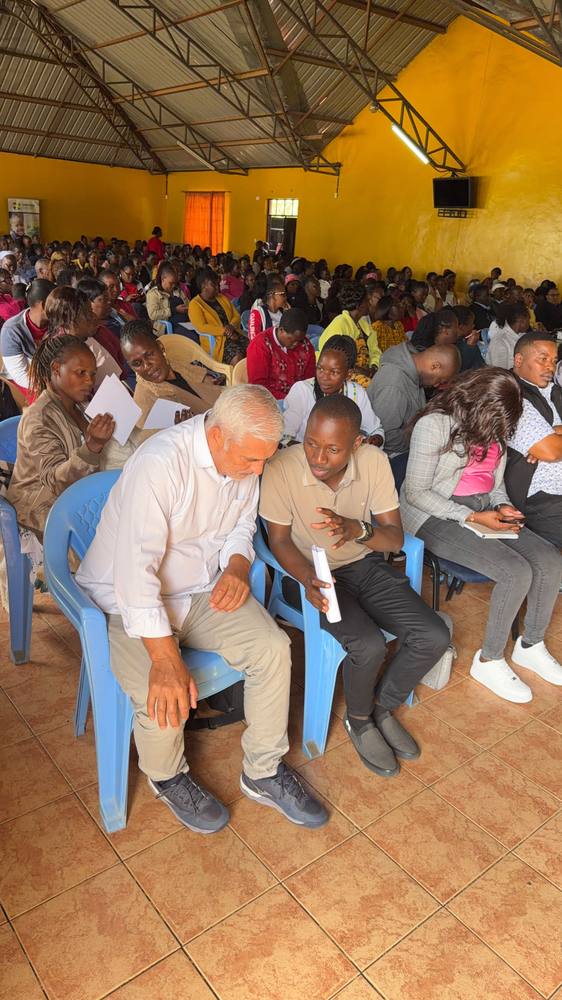
The four-month programme, funded by the Manos United Foundation, brought together about 300 participants drawn from different sectors, including parents, caregivers, teachers, students, community health workers, faith leaders, police officers, children and other stakeholders.
According to Regina Mbugua, a trainer at OCTC, the programme covered key areas including neurodevelopmental disabilities, caregiver empowerment, self-care for caregivers, advocacy and children’s rights, as well as communication and language development.
Mbugua said the training was designed to equip participants with practical knowledge and skills to support children with neurodevelopmental conditions, while helping to reduce stigma and misinformation in the community. Neurodevelopmental disabilities are conditions that originate during childhood and affect brain development and functioning, and they can have a lasting impact on learning, communication, behaviour and a person’s ability to carry out everyday activities.
Building more inclusive communities
OCTC Project Manager Richard Magana said the programme focused on sensitising communities about neurodevelopmental disabilities and helping them understand the realities faced by children and their families. He said increased awareness would enable communities to identify the changes needed to create more supportive and inclusive environments for children living with disabilities.
Parents were challenged to understand their children’s individual needs, build their confidence and promote independence rather than overprotecting them. They were also encouraged to seek appropriate services from both government and private institutions, to speak out against stigma, and to learn about the rights of children living with disabilities.
Child advocates further urged parents and caregivers to keep learning and to build support networks, so as to stay abreast of new information, services and developments relating to neurodevelopmental disabilities.
“Eye-opening”
One of the beneficiaries, Elizabeth Sama, described the training as eye-opening, saying it had improved her understanding of neurodevelopmental disabilities and how to respond to the challenges affecting children living with these conditions. Sama added that the programme also helped participants see through the misinformation, myths and stigma surrounding neurodevelopmental disabilities.
The event was also attended by the Member of the County Assembly for Ongata Rongai, Titus Matheka, who said the county government supports children living with disabilities through initiatives such as bursaries.
The programme received support from organisations including the Rise Up Together Foundation and other partners involved in initiatives promoting inclusion and social change.
Photo gallery
Comments